Nigeria’s Factories: The Hidden Arsenal for Economic and Security Sovereignty
In an era where global supply chains are increasingly fragile and geopolitical tensions threaten stability, the idea of ‘the factory as the ultimate weapon’ resonates deeply with Nigeria’s economic and security challenges. While the phrase originates from a recent discussion at the Africa Defense Forum, its implications for Nigeria are profound. For a nation grappling with high unemployment, dependence on imported goods, and security threats exacerbated by external vulnerabilities, the question isn’t just about building factories—it’s about whether these factories can become the bedrock of a self-sustaining economy and a resilient defense strategy.
This article examines how Nigeria’s industrialization efforts align with the broader African narrative of ‘manufacturing as a strategic asset’. We’ll explore the confirmed facts from the source, contextualize them within Nigeria’s economic landscape, and analyze why this shift matters for citizens, policymakers, and businesses alike. By the end, it will be clear why the factory isn’t just a symbol of progress—it’s a potential game-changer for Nigeria’s future.
The Factory as a Strategic Weapon: What the Africa Defense Forum Suggests
The Africa Defense Forum’s assertion that ‘the factory is the ultimate weapon’ is rooted in a simple but powerful idea: industrialization is not just about production—it’s about national security, economic independence, and strategic autonomy. While the forum’s discussion is framed within a defense context, the principles apply equally to Nigeria’s civilian economy. Here’s what the source highlights:
- Economic Resilience: Factories reduce reliance on imports, which are vulnerable to global disruptions like pandemics, trade wars, or supply chain collapses. For Nigeria, where over 40% of consumer goods are imported, this means less economic exposure to external shocks.
- Job Creation: Manufacturing is one of the few sectors that can absorb Nigeria’s youth unemployment rate of 33.3%, which stands at nearly 20 million people. Factories provide stable employment, unlike the volatile gig economy or informal sector jobs.
- Security Through Self-Sufficiency: The forum’s defense perspective ties industrialization to reduced vulnerability. For Nigeria, where armed conflicts and border insecurity persist, controlling critical supply chains—such as food, pharmaceuticals, and defense equipment—can mitigate reliance on foreign actors during crises.
- Technological and Innovation Leapfrogging: Factories are not just assembly lines; they are hubs for innovation. Nigeria’s
Ask about this topic
Related Posts
 Nigeria and Indonesia Strengthen Economic Partnerships: A Blueprint for Mutual Growth
Nigeria and Ghana Lead Africa’s Digital Revolution: Why Collaboration Matters for Africa’s Future
Nigeria’s 2027 Elections: How Tech Leaders Are Shaping the Future of Digital Democracy
China’s Tech Revolution: A Catalyst for Africa’s Digital Transformation
Nigeria and Indonesia Strengthen Economic Partnerships: A Blueprint for Mutual Growth
Nigeria and Ghana Lead Africa’s Digital Revolution: Why Collaboration Matters for Africa’s Future
Nigeria’s 2027 Elections: How Tech Leaders Are Shaping the Future of Digital Democracy
China’s Tech Revolution: A Catalyst for Africa’s Digital Transformation
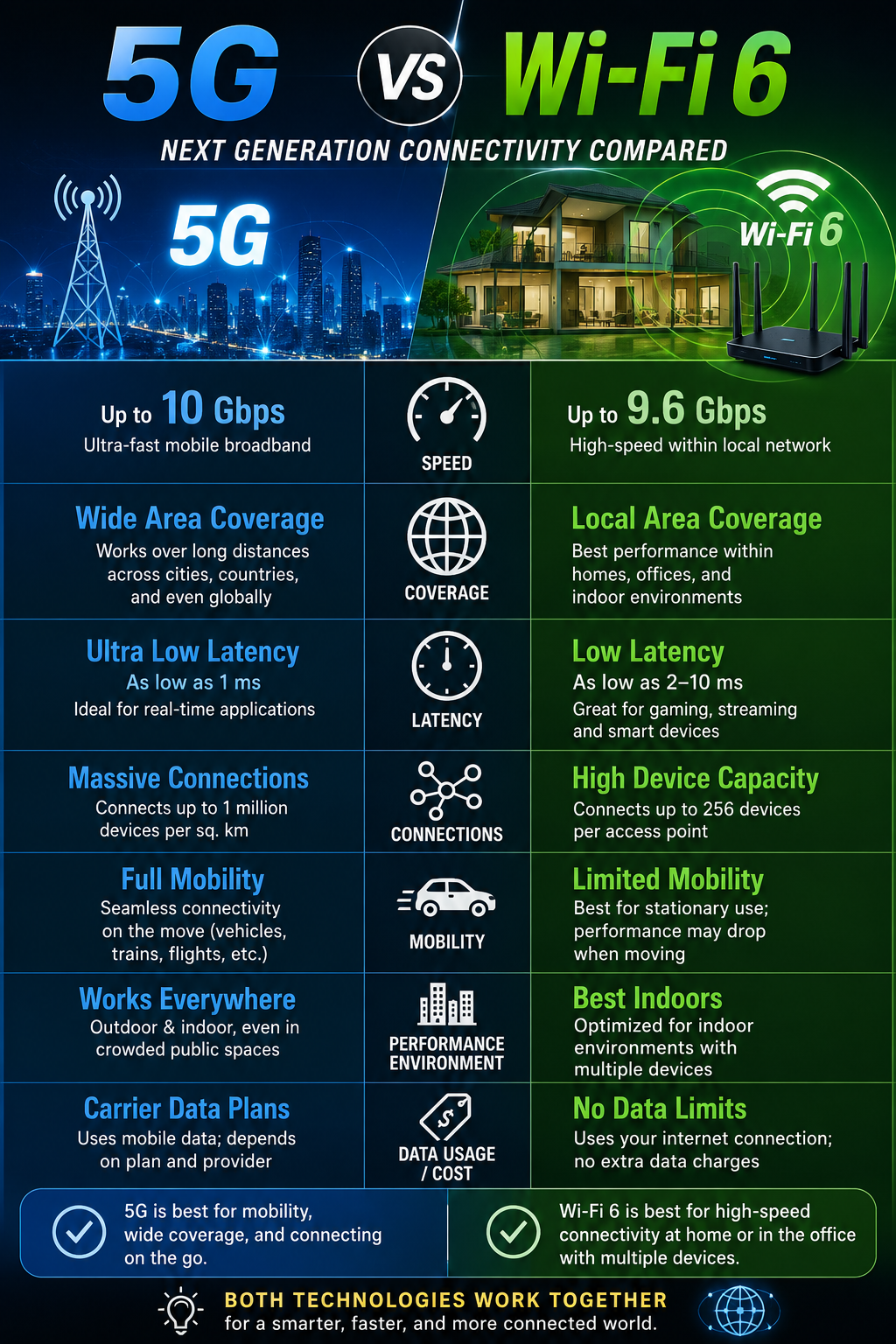 5G vs. Wi-Fi 6: Which is Better for Your Home Network?
Comments